Jul 15, 2026
Best wildlife parks to visit during the monsoon
Aanya MehtaBhitarkanika National Park, Odisha
With its mangrove forests, estuaries, and waterways, Bhitarkanika is a paradise for wildlife lovers during the rains. The park is home to saltwater crocodiles, spotted deer, and numerous species of resident and migratory birds.
Source: wikimedia commons
Eravikulam National Park, Kerala
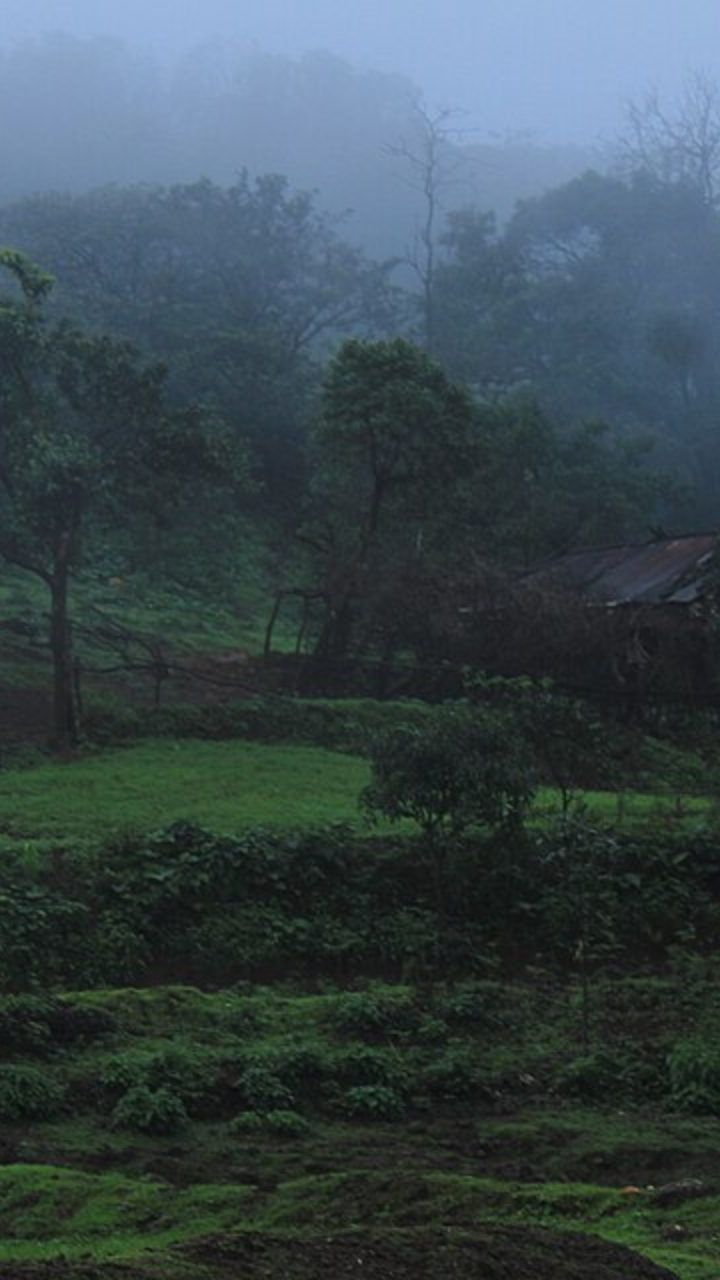
Famous for its rolling grasslands and endangered Nilgiri tahr, Eravikulam becomes particularly picturesque during the monsoon. Mist-covered hills and lush valleys add to the park's breathtaking beauty.
Source: wikimedia commons
Kaziranga National Park, Assam
Though certain zones may remain closed during heavy rains, Kaziranga's floodplains become a dramatic spectacle during the monsoon. The park is famed for its population of one-horned rhinoceroses, wild water buffaloes, and migratory birds.
Source: wikimedia commons
Keoladeo National Park, Rajasthan
This renowned wetland sanctuary flourishes during the rainy season as water levels rise, attracting a wide array of resident birds. It offers exceptional opportunities for birdwatching and photography.
Nagarhole National Park, Karnataka
The monsoon transforms Nagarhole into a vibrant landscape of dense vegetation and flowing streams. Visitors may encounter elephants, deer, leopards, and a variety of bird species amidst the rejuvenated forest.
Source: wikimedia commons
Periyar Tiger Reserve, Kerala
Nestled in the Western Ghats, Periyar looks especially enchanting during the rains. Its lush forests, mist-covered hills, and tranquil lake make it ideal for boat safaris and spotting elephants, gaur, and diverse birdlife.
Source: wikimedia commons
Satpura National Park, Madhya Pradesh
One of India's lesser-explored tiger reserves, Satpura offers stunning monsoon scenery with dense forests, rolling hills, and seasonal streams. The park is also known for walking safaris and rich biodiversity.
Source: wikimedia commons
Valley of Flowers National Park, Uttarakhand
Open only for a few months each year, this UNESCO World Heritage Site bursts into bloom during the monsoon season. Thousands of alpine flowers carpet the valley, creating one of India's most spectacular natural displays.
Source: wikimedia commons
Must-visit glass hotels around the world